
Last updated:
Deciding when to visit Virgin Gorda requires understanding the island's seasonal patterns. Virgin Gorda best time to visit depends on your priorities. Some travelers seek warm weather and calm seas for water sports. Others prefer fewer crowds and lower accommodation rates. The island experiences two distinct seasons: dry and wet. Most visitors come during the dry season from December through May. Understanding these seasons helps you plan the perfect Caribbean vacation. This guide covers every month and helps you choose wisely.
Virgin Gorda Weather by Month
Virgin Gorda sits in the Lesser Antilles with consistent warm temperatures year-round. The island averages 28°C (82°F) throughout the year. December marks the start of the cool dry season. Temperatures range from 24°C to 28°C during winter months. January and February bring the coolest conditions of the year. March through May warm up gradually toward summer heat. June begins the transition into the rainy season. July and August bring oppressive heat and humidity. September and October represent peak hurricane season for the region. November marks the transition back to drier conditions.
Rainfall patterns shift dramatically throughout Virgin Gorda's calendar. The dry season (December to April) receives minimal rainfall. Monthly rain totals rarely exceed 50mm during these months. May brings the first serious rain increases of the year. June through November receives significantly more precipitation. September typically records the highest rainfall on the island. Humidity levels stay high year-round but peak during summer months. Trade winds provide relief during the dry season. These winds diminish during summer, increasing the heat sensation. Understanding these patterns helps travelers pack appropriately and plan activities.
Ocean conditions vary seasonally and affect water activities significantly. The dry season provides calm seas perfect for boating and snorkeling. Water temperatures range from 26°C in winter to 29°C in summer. Visibility remains excellent from December through April. Rain increases water turbidity during the wet season. Swell and chop increase from June onward. Winter swells from the North Atlantic affect some beaches. Protected bays stay calmer throughout the year. The Baths area remains swimmable in most conditions. Planning water activities around the dry season ensures better conditions and safety.
PRO TIP: Book water activities like diving and sailing during December through April when conditions are at their absolute best. Calmer seas mean longer, safer outings and better visibility for underwater exploration.
Peak Season in Virgin Gorda

Peak season on Virgin Gorda runs from December through April. This period captures the island's best weather and attracts the most visitors. December marks the official start when North American and European travelers escape winter. Hotels fill quickly during the Christmas and New Year holiday period. January brings sustained crowds as winter-weary visitors seek warmth. February through April maintain strong visitor numbers with consistent bookings. Accommodation prices peak during these months with premium rates. food-Restaurants and bars operate at full capacity with extended hours. All island attractions and tour operators maintain regular schedules.
The dry season weather makes peak season incredibly popular. Daytime temperatures hover around 26°C to 28°C. Humidity stays reasonable thanks to steady trade winds. Rainfall is virtually nonexistent during these months. The ocean remains calm with excellent visibility. These conditions make peak season ideal for water sports enthusiasts. Sailing conditions are perfect throughout the dry season. Diving operations report visibility of 30 meters or more. Snorkeling at The Baths becomes crowded but remains excellent. Swimming beaches stay comfortable all day long.
Peak season brings both advantages and disadvantages for travelers. You'll find all services fully operational and tourist infrastructure at maximum capacity. Popular attractions like The Baths and Copper Mine Point operate regular hours. Restaurant reservations are necessary but ensure excellent dining experiences. Beaches become busier, especially mid-day, but remain uncrowded before 9am and after 4pm. Accommodations book months in advance, so early planning is essential. Expect higher prices across all tourism services and activities. The trade-off is guaranteed excellent weather and full access to all facilities. This season suits travelers who prioritize comfort and predictability over solitude.
Shoulder Season in Virgin Gorda: Best Value
Shoulder season on Virgin Gorda occurs in May and November. These months offer excellent value with improving or departing good weather. May represents late dry season with warm temperatures and minimal rain. The ocean remains mostly calm with decent visibility. Accommodation prices drop noticeably from peak season rates. Restaurants offer space without requiring advance reservations. Popular beaches remain uncrowded throughout the day. May weather remains mostly dry with occasional afternoon showers. November transitions from rainy season back toward dry season patterns. Weather becomes less predictable but generally improves by late November.
May provides the best value in the shoulder season. Temperatures range from 27°C to 29°C throughout the month. Rain increases compared to the dry season but remains manageable. Most days stay dry with occasional brief afternoon showers. Ocean conditions remain good for water activities. Visibility for diving stays above 20 meters on average. Swell remains minimal compared to later months. Hotels offer 20 to 40 percent discounts from peak rates. Restaurants and attractions operate normally without advance booking needs. May suits budget travelers who accept occasional rain for significant savings.
November offers less reliable weather than May but excellent value. Early November still carries rainy season characteristics with unpredictable showers. Late November sees conditions improving dramatically toward the dry season. Temperatures range from 26°C to 28°C throughout the month. Ocean conditions remain somewhat rough until late November. Accommodation rates drop significantly as peak season approaches. Crowds remain light throughout November except near Thanksgiving. Weather becomes progressively better from November 15 onward. Late November combines improving conditions with remaining low prices. This period attracts budget travelers willing to accept variable weather.
PRO TIP: Visit Virgin Gorda in May or early June to find the sweet spot between good conditions and lower prices. You'll enjoy fewer crowds than peak season while still experiencing mostly dry weather perfect for beach days and water activities.
Rainy Season in Virgin Gorda

Rainy season on Virgin Gorda extends from June through November. This period coincides with the Atlantic hurricane season. June marks the official transition from dry to wet season. Rainfall increases gradually throughout June and July. August and September bring the highest precipitation totals. October and November transition back toward drier conditions. Hurricane season officially runs from June 1 through November 30. Most storms pass south of Virgin Gorda but occasional impacts occur. Travel insurance becomes more important during these months. Accommodation rates drop dramatically compared to dry season.
Rainfall patterns during the wet season are highly variable. June and early July receive moderate rainfall with many sunny days. Mid-July through September brings heavier, more frequent rain showers. These rains typically arrive in brief afternoon bursts lasting 30 to 60 minutes. Extended rain events occur occasionally but remain relatively rare. October and November see decreasing rainfall as dry season approaches. Monthly rainfall during peak wet season reaches 100 to 150mm. Despite the rain, sunny periods remain frequent throughout most days. Early mornings and late afternoons often stay clear and beautiful. Many activities remain possible between rain showers.
Ocean conditions during rainy season present challenges for water sports. Water visibility decreases from 30+ meters to 15 to 20 meters. Rough seas and occasional chop make diving less enjoyable. Smaller boats may experience uncomfortable conditions. Hurricane season weather can occasionally create dangerous conditions. Despite these challenges, rainy season attracts certain travelers. Accommodation prices drop 40 to 60 percent below peak season rates. Beaches and attractions become nearly empty. Experienced travelers appreciate the solitude and dramatic skies. The lush island landscape looks its greenest during the rainy season.
Best Time To Visit Virgin Gorda for Families
Families visiting Virgin Gorda need reliable weather and reasonable crowds. December through April provides optimal family conditions. School holiday periods (Christmas, Easter) coincide with peak season. December 20 through January 5 brings maximum family crowds and highest prices. Easter vacation periods in March or April remain excellent for families. These months offer warm, safe ocean conditions for young children. Rain is virtually nonexistent, so beach plans rarely change. Humidity stays reasonable for active families with children. All attractions and facilities operate at full capacity during peak season.
May and November suit families seeking fewer crowds than peak season. May offers warm, mostly dry weather perfect for beach activities. Occasional rain rarely disrupts full days of family fun. Ocean conditions remain safe for children of all swimming abilities. Accommodation prices drop significantly, allowing families to stay longer. November transitions toward better weather, though rain remains possible. Late November through early December provides excellent family conditions. Weather improves daily as the month progresses. Schools in most countries finish before Thanksgiving, making late November convenient.
Families should avoid June through October for planning purposes. While occasional families visit during these months, conditions are less favorable. Afternoon rain becomes common and unpredictable, disrupting plans. Ocean conditions become rougher with increased swell. Hurricane season poses additional risks requiring careful monitoring. Humidity climbs noticeably, creating discomfort for children. Heat becomes more intense, requiring extra sun and heat precautions. The island experiences fewer family-friendly activities during rainy season. These months suit only families extremely flexible about weather changes.
The Baths represent the top family destination on Virgin Gorda. Children love exploring the giant boulders and swimming in natural pools. Water temperature stays warm and comfortable year-round. The beach area remains relatively protected from rough seas. Spring Bay adjacent to The Baths provides quieter alternatives. Savannah Bay offers a large sandy beach popular with families. Mahoe Bay near the airport provides easy access for visitors. Devil's Bay remains accessible via a 15-minute trail from The Baths. Families with young children should visit these attractions early morning before crowds arrive.
PRO TIP: Plan family trips to Virgin Gorda for May or late November through early December. You'll enjoy family-friendly weather without peak season crowds or rainy season disruptions, while keeping accommodation costs reasonable.
Best Time To Visit Virgin Gorda for Diving
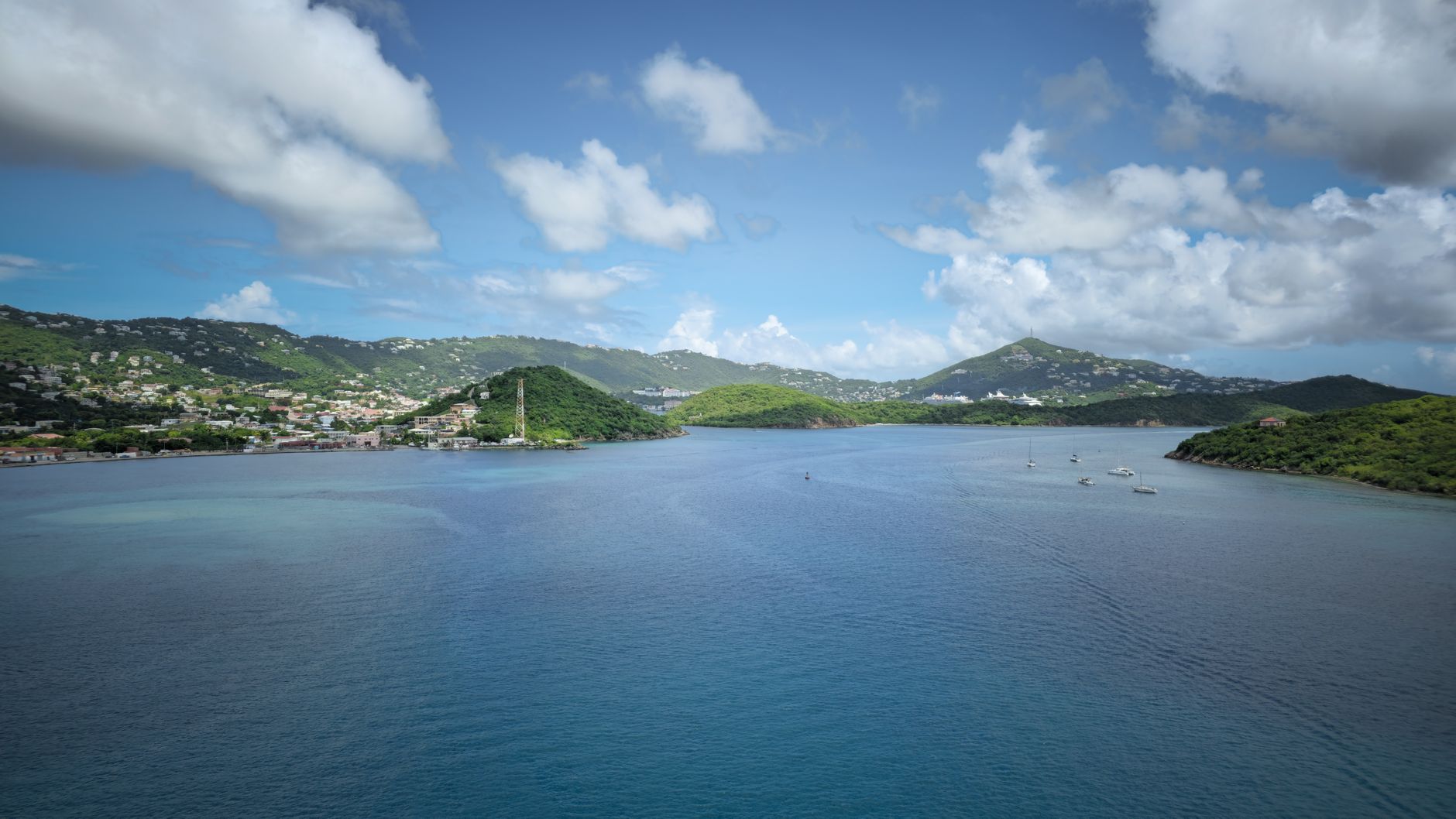
Divers should plan Virgin Gorda trips from December through May. This period provides optimal diving conditions for underwater exploration. December through March offers the best visibility and calmest conditions. Water visibility reaches 30 to 40 meters during peak months. Ocean swells remain minimal, keeping boats steady and comfortable. Water temperatures stay cool at 26°C to 27°C. December brings the coolest water of the year, requiring 5mm wetsuits. January and February stay similarly cool throughout the month. March begins warming trend with temperatures reaching 27°C to 28°C. April and May continue warming with excellent diving still possible.
Specific dive sites perform best during the dry season. The Invisibles (three small islands) offer excellent reef diving accessible from Virgin Gorda. Prickly Pear Island provides schooling fish and healthy coral structures. Ginger Island features dramatic underwater rock formations. The Baths underwater continuation provides unique geological formations. Coral formations respond best to calm, clear conditions during dry season. Fish behavior improves in calm seas when food sources become more visible. Macro photography opportunities peak when visibility and light conditions are optimal. Night diving becomes possible with more stable weather conditions.
Dive operators on Virgin Gorda maintain regular schedules December through May. Two daily boat dives operate consistently during peak season. Equipment rental remains readily available year-round. Certification courses run regularly with qualified instructors. Multiple dive shops operate from Virgin Gorda Airport area. Leverick Bay provides alternative dive operations on island's north side. Boat dives typically depart at 8am and 2pm during good weather. Divers should book trips day-of or previous evening. Sea conditions can occasionally require schedule changes even during dry season.
Rainy season diving is possible but less desirable. June through November visibility drops to 15 to 25 meters on average. Rough seas make boat rides uncomfortable and risky. Fewer dive boats operate, limiting trip availability. Dive shops may close occasionally due to weather. Water temperatures warm to 28°C to 29°C, reducing wetsuit needs. Experienced divers sometimes visit during shoulder months for solitude. September and October carry additional hurricane risk. Rainy season diving suits adventurous divers unconcerned about perfect conditions.
Frequently Asked Questions
What Is the Best Month To Visit Virgin Gorda?
February and March represent the absolute best months for Virgin Gorda. Weather remains perfect with minimal rain and calm seas. Ocean visibility exceeds 30 meters for diving and snorkeling. Temperatures stay comfortable at 26°C to 28°C without excessive heat. Accommodation availability remains good compared to December and January peak. This timing avoids Christmas crowds while maintaining peak season weather. These months balance excellent conditions with slightly lower prices than the holidays.
Is Hurricane Season Dangerous for Visiting Virgin Gorda?
Hurricane season (June through November) carries risk but direct hits are rare. Virgin Gorda sits south of typical hurricane tracks affecting the US. Occasional tropical storms pass near the island but direct hurricanes are uncommon. Travel insurance becomes important for summer and early fall visits. Most storms occur from August through October. Weather monitoring becomes essential during these months. The British Virgin Islands maintain good emergency infrastructure and warning systems. Many travelers successfully visit during shoulder season months with proper planning and insurance.
Can You Swim and Snorkel During Rainy Season?
Swimming and snorkeling remain possible during rainy season but conditions are less ideal. Water visibility drops from 30+ meters to 15 to 20 meters. Afternoon rain showers occur frequently but usually last only 30 to 60 minutes. Ocean swell and chop increase, making small boat snorkeling uncomfortable. Protected bays like Virgin Gorda Yacht Harbour stay calmer for water activities. The Baths remains swimmable despite reduced visibility. Ocean temperatures stay warm at 28°C to 29°C. Rainy season suits flexible travelers unconcerned about perfect diving conditions.
What Should I Pack for Visiting Virgin Gorda?
Pack lightweight, breathable clothing for tropical heat and humidity. Bring reef-safe sunscreen with SPF 30 or higher. A rain jacket or lightweight rain poncho is essential for all seasons. Comfortable walking shoes suit exploring The Baths and hiking trails. Water shoes protect feet from sharp rocks and coral. Quick-dry swim clothes reduce bulk in luggage. Pack a light cardigan for air-conditioned restaurants and hotels. Insect repellent helps with occasional mosquitoes, especially during rainy season. Polarized sunglasses reduce glare from bright sun and water.
How Far in Advance Should I Book a Virgin Gorda Trip?
Book peak season trips (December through February) three to four months ahead. Popular hotels fill months in advance during Christmas and New Year. March through May requires booking six to eight weeks in advance. Shoulder season (May and November) needs booking four to six weeks ahead. Rainy season (June through October) allows last-minute bookings with good availability. Dive operators can typically accommodate bookings one to two weeks ahead. Consider booking accommodations as far ahead as possible regardless of season. Dining at popular restaurants requires advance reservations during peak season.