Last updated:
Virgin Gorda Scuba Diving Overview
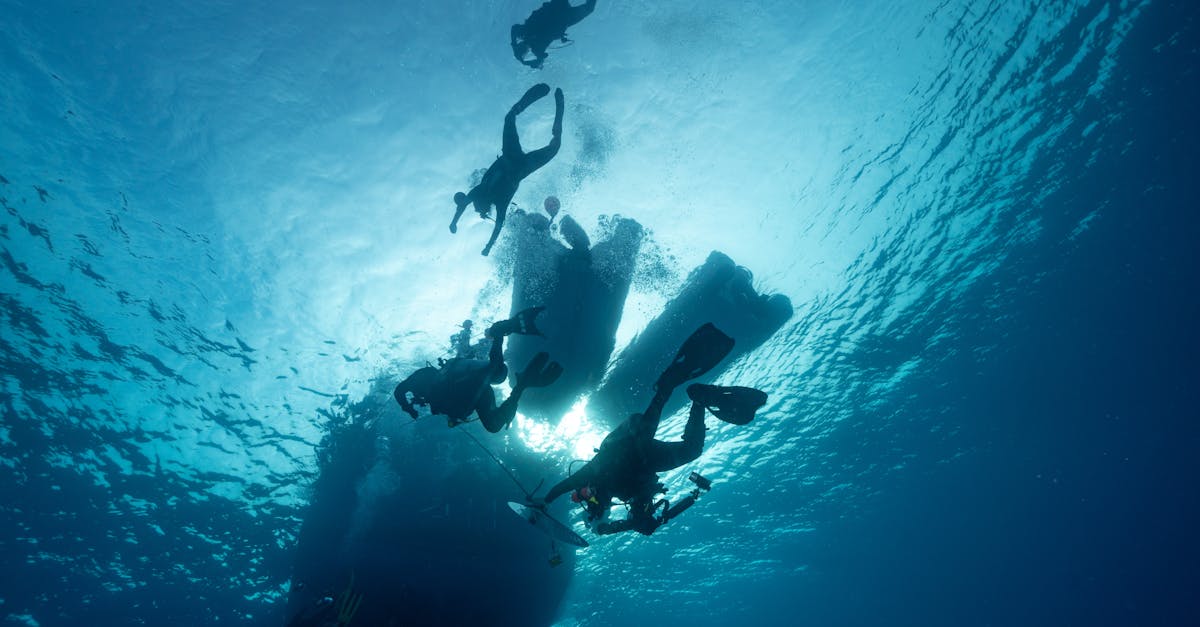
Virgin Gorda offers some of the Caribbean's best dive experiences. Located in the British Virgin Islands, this island attracts divers from around the world. The waters surrounding Virgin Gorda feature healthy coral reefs and abundant marine life. Virgin Gorda scuba diving suits beginners and experienced divers alike.
The island sits at coordinates 18.4833, -64.4333 in the Lesser Antilles. With a population of just 4,000 people, Virgin Gorda remains less crowded than other Caribbean destinations. English is the official language, making communication easy for visitors. The US dollar is the currency, so no exchange is necessary for American travelers.
The dive season runs year-round, but the best months are December through May. During these months, water visibility reaches 80 to 120 feet. Calmer seas and fewer rain showers create ideal diving conditions. Water temperatures stay warm at around 78 to 84 degrees Fahrenheit throughout the year.
Best Dive Sites in Virgin Gorda

Virgin Gorda boasts diverse dive sites suitable for different skill levels. The Baths represents the island's most famous natural attraction, though it's better for snorkeling than diving. However, divers can explore nearby sites that offer equally stunning experiences.
The Boulders
The Boulders dive site sits near The Baths area. Giant granite boulders create an underwater playground for divers. You'll navigate through caverns and swim between massive rock formations. The site features depths between 30 and 60 feet, making it accessible for intermediate divers.
The marine life here includes parrotfish, snappers, and nurse sharks. Colorful sponges grow along the rock surfaces. The unique landscape creates natural tunnels and archways. Be prepared for strong currents in some areas. Experienced guides know the safest passages through the boulder maze.
Devil's Table
Devil's Table is a pinnacle dive site northeast of Virgin Gorda. The site features a large underwater rock formation that resembles a table. It reaches from about 45 feet down to 90 feet at its base. Strong currents regularly sweep across this site, making it best for experienced divers.
Pelagic fish congregate around Devil's Table in large numbers. You might spot tuna, mackerel, and jacks cruising the area. Groupers hide in crevices within the rock formation. The site also supports dense coral growth and vibrant sponge gardens. Visibility typically exceeds 100 feet here.
Copper Mine Point
Copper Mine Point offers history along with great diving. An old copper mine once operated on the nearby shore. The underwater site begins in shallow water at 20 feet and drops to 80 feet. The shallow section works well for beginning divers and snorkelers.
The reef here supports healthy populations of damselfish, wrasses, and trumpetfish. You'll see sea fans and soft corals swaying in the current. Small caves and overhangs provide shelter for octopuses and moray eels. The site's gradual depth change allows you to explore multiple reef zones.
The Invisibles
The Invisibles is an offshore site consisting of three separate pinnacle formations. Only the tops of these underwater mountains break 30 feet in depth. The deepest sections reach 130 feet. This site requires experience due to current and depth considerations.
Sharks, rays, and large groupers frequent The Invisibles regularly. Reef sharks patrol the deeper sections while smaller species inhabit the shallower areas. Eagle rays glide through the water with grace. The pinnacles attract schooling fish that create a stunning visual display.
PRO TIP: Book dives through established operators who know each site's current conditions. Currents change daily, and local guides adjust dive plans accordingly. Always dive with a buddy and follow all safety briefing instructions.
Scuba Diving for Beginners in Virgin Gorda
Virgin Gorda welcomes diving beginners with sheltered shallow reefs and patient instructors. Several sites work perfectly for new divers building confidence. The warm water and friendly marine life create positive first dive experiences. Many operators offer beginner-friendly packages that include instruction and equipment rental.
Easy Beginner Dive Sites
Copper Mine Point serves as the island's top beginner site. The shallow reef section rarely exceeds 35 feet. Colorful fish are abundant and unafraid of divers. The sandy bottom provides a forgiving landing area for nervous divers.
Diamond Reef offers another excellent beginner option. This site sits in a protected bay with minimal current. The reef top starts at 25 feet and slopes gradually to 50 feet. Sergeant major fish, parrotfish, and groupers provide exciting marine encounters. Beginners enjoy plenty of time observing sea life.
Certification Courses
Most dive operators offer PADI certification courses for all levels. Open Water certification typically takes three to four days. Instructors conduct classroom sessions and confined water training before open ocean dives. You'll learn essential skills in a stress-free environment.
Advanced Open Water and specialty courses build your diving skills further. Nitrox certification helps you extend bottom time safely. Navigation training teaches you to find your way underwater. Many operators combine instruction with actual reef exploration.
What Beginners Should Know
Equalization is the most important skill for beginners to master. The pressure increases as you descend, affecting your ears and sinuses. Learn to equalize early and often during descent. If equalization becomes painful, ascend slowly and try again later.
Buoyancy control requires practice but improves with every dive. Proper weighting is essential for comfortable diving. Neutral buoyancy allows you to hover without sinking or rising. Your instructor will help you find the right amount of weight.
Breathing underwater feels strange at first. Remember to breathe slowly and deeply. Never hold your breath while ascending. Relaxation comes with experience, so don't rush your early dives. Many divers feel anxious on their first dive but love it by the end.
PRO TIP: Arrive at least two days before your first dive to acclimate to the island and ocean conditions. Dehydration makes equalization harder, so drink plenty of water. Get a good night's sleep before your certification course begins.
Snorkeling in Virgin Gorda

Snorkeling provides excellent access to Virgin Gorda's underwater world without scuba certification. The island features numerous snorkel-friendly beaches and reefs. You need only a mask, fins, and snorkel to get started. Many reef areas sit in shallow water, perfect for snorkelers of all abilities.
Top Snorkeling Beaches
The Baths represents Virgin Gorda's signature snorkel destination. Massive granite boulders create a unique landscape both above and below water. You can swim between rocks and explore shallow coves. The water depth ranges from 5 to 30 feet. Families and casual visitors especially enjoy this location.
Savannah Bay offers a long sandy beach with excellent snorkeling. The reef sits just offshore in shallow water. You can walk into the water and reach good snorkeling within minutes. Parrotfish, wrasses, and damselfish school throughout the reef.
Mahoe Bay provides a quieter alternative to crowded snorkel spots. A small reef lies close to shore in shallow water. The beach is less developed, offering a more natural experience. Snorkeling here feels peaceful and unhurried.
Snorkeling Tours and Equipment
Local operators offer guided snorkeling tours from various departure points. These tours typically last two to four hours. They include instruction for beginners and visits to multiple reef sites. Transportation to snorkel sites is included in most tour packages.
Equipment rental is available at many beach shops and hotels. Mask and snorkel rental typically costs a small daily fee. Full packages including fins are also available. Many operators provide complimentary snorkel gear with tour bookings.
Snorkeling Safety and Tips
Apply waterproof sunscreen liberally before snorkeling. Even on cloudy days, the sun reflects off the water and burns exposed skin. Wear a rash guard or wetsuit for extended sun protection. Reef-safe sunscreen protects both you and fragile coral ecosystems.
Stay aware of your location and distance from shore. It's easy to drift far from your starting point while absorbed in marine life viewing. Snorkel with a buddy and keep each other in sight. Never snorkel alone, even if you're an experienced swimmer.
Watch for boat traffic in popular snorkel areas. Wear a bright colored snorkel vest for visibility. Stay on the reef side away from boat channels. Local guides know safe snorkeling areas and traffic patterns.
Dive Schools and Operators
Virgin Gorda hosts several professional dive operators and schools. These establishments offer instruction, guided dives, and equipment rental. Staff members are experienced with local sites and conditions. Most operators hold international diving certifications and follow strict safety protocols.
Finding a Reputable Operator
Look for operators with PADI or SSI certifications. These organizations set training standards and safety requirements. Check online reviews from previous customers. Ask about their safety record and incident history. Reputable operators are transparent about their experience and qualifications.
Call ahead and ask about group sizes for guided dives. Smaller groups receive more personal attention. Ask if your dive leader has experience with your skill level. Confirm what equipment is included and what you need to bring.
Visit the dive shop before booking. Inspect their equipment and facility cleanliness. Talk to staff members about their own diving experience. A professional shop will welcome your questions and concerns.
What To Expect From Dive Operators
Professional operators conduct thorough safety briefings before every dive. They review dive site conditions, depth, and notable features. You'll learn what marine life to expect. Operators explain emergency procedures and hand signals for communication.
Divemasters stay close to beginners throughout the dive. They watch for signs of difficulty or equipment problems. Experienced divers get more freedom to explore independently. Most operators maintain a ratio of one guide per six divers maximum.
Operators provide air fills and rental equipment. Tanks are regularly inspected and certified. Rental gear is cleaned and maintained after every use. You can rent complete packages or just fill your personal tanks.
Booking and Cancellation Policies
Most operators accept bookings by phone, email, or online platforms. Payment methods include cash, credit cards, and digital transfers. Ask about their cancellation policy before paying. Reputable operators have clear, fair cancellation terms.
Weather sometimes requires dive cancellations. Ask what happens to your payment if weather forces a cancellation. Most operators offer rebooking on better weather days. Some may offer partial refunds. Get cancellation policies in writing before you pay.
PRO TIP: Book dives at least one day in advance. This gives operators time to plan group sizes and assign divemasters. Early booking also improves your chances of getting preferred dive times and sites.
What You Will See Underwater
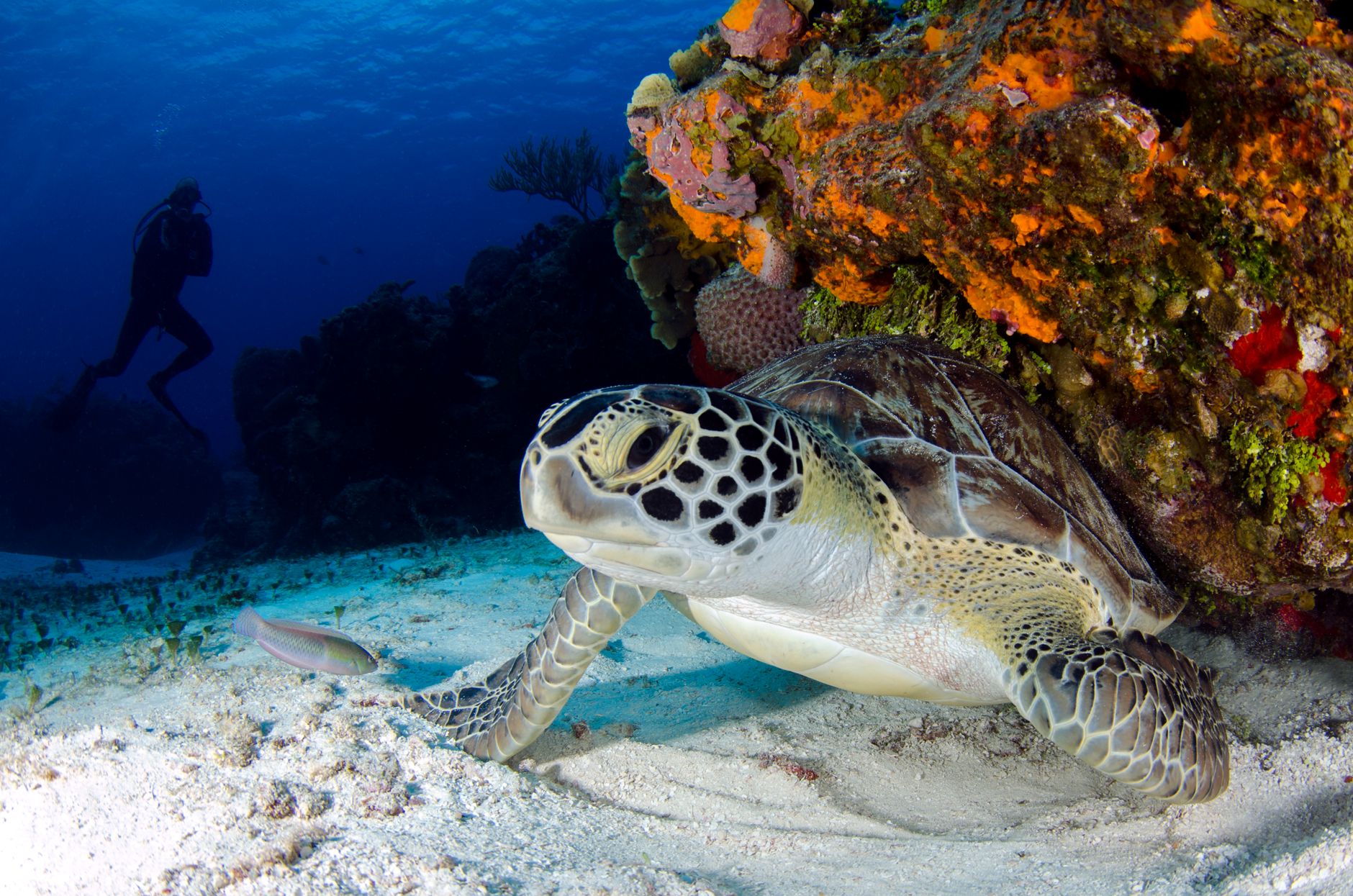
Virgin Gorda's reefs support diverse marine ecosystems. You'll encounter tropical fish species in brilliant colors. The coral formations range from small heads to large branching colonies. Larger marine animals including sharks, rays, and turtles inhabit these waters.
Common Fish Species
Parrotfish are among the most abundant reef inhabitants. These colorful fish eat coral polyps and create sand as they digest. You'll hear their crunching sounds while diving. They range in size from small juveniles to large adults.
Snappers congregate in schools around reef structures. Yellowtail snappers are particularly common. They're curious about divers and often approach close. Groupers hide in caves and under ledges, waiting for prey to pass.
Wrasses of many species inhabit every reef area. Bluehead wrasses dart rapidly across the reef. Rainbow parrotfish display stunning color variations. Queen angelfish glide through the water with grace. French angelfish often appear in pairs around the reef.
Damselfish defend small territories aggressively. Despite their small size, they chase away much larger fish. Sergeant major fish have distinctive black and white stripes. Yellow tangs browse algae from the reef surface.
Larger Marine Animals
Sea turtles visit Virgin Gorda reefs to feed and rest. Green turtles and hawksbill turtles are both present. They move slowly and deliberately across the reef. Getting close for photos is possible, but touching turtles is prohibited.
Nurse sharks rest on the sandy bottom between hunts. They're generally docile around divers. Reef sharks cruise the deeper sections hunting fish. Caribbean reef sharks patrol regularly, especially at deeper dive sites.
Eagle rays glide gracefully through the water column. Spotted eagle rays are particularly beautiful. Southern stingrays burrow in sand on the seafloor. Manta rays occasionally appear in deeper offshore areas.
Coral and Invertebrates
Brain coral heads provide shelter for many reef residents. They grow slowly over decades. Staghorn coral branches create complex hiding spaces. Elkhorn coral formations are becoming more common as restoration efforts succeed.
Sea fans sway with the current throughout the reef. Tube sponges rise from the bottom in bright colors. Barrel sponges create mini ecosystems within their interior spaces. Fire coral looks beautiful but stings on contact, so avoid touching.
Octopuses hide in crevices and under overhangs. They're expert camouflage artists, changing color to match surroundings. Lobsters and spiny lobsters emerge from holes at night. Starfish and sea urchins cover various reef areas. Seahorses hide in seagrass and among coral branches.
Best Time To Dive in Virgin Gorda
The dry season from December through May represents the best time for Virgin Gorda scuba diving. Water visibility reaches peak levels during these months. Calm seas make for smooth boat rides and comfortable dives. Fewer rain showers mean more sunny days overall.
Dry Season (December To May)
December marks the start of the ideal diving season. Trade winds blow from the northeast, calming the western side of the island. Water temperature sits around 78 to 80 degrees Fahrenheit. Visibility often exceeds 100 feet on good days.
January and February tend to bring the calmest seas. Fewer storms disrupt dive operations. Water clarity is typically excellent. This period attracts the most visitors, so popular sites get crowded.
March through May maintain excellent diving conditions. Temperatures begin rising toward 82 degrees. Occasional rain showers increase toward the end of May. Fewer tourists visit after spring break, making June's start quieter.
Wet Season (June To November)
Diving continues year-round in Virgin Gorda despite the rainy season. The wet season brings more frequent afternoon showers. Visibility drops to 50 to 80 feet due to rainfall runoff. Seas can be rougher, particularly during August through October.
Hurricane season peaks in September and October. Major storms are rare but possible. Dive operators monitor weather closely and cancel dangerous dives. Most operators stay open during the wet season for dedicated divers.
Water temperatures peak at 84 degrees in August and September. This warm water provides excellent diving conditions for thermal comfort. Experienced divers often prefer wet season diving due to fewer crowds. Hotel rates drop significantly during this period, reducing vacation costs.
Seasonal Considerations
Book accommodations well in advance during the dry season. Popular hotels fill up months ahead, especially around holidays. Dive operators limit group sizes during peak season. You might wait days for your preferred dive site and time.
Travel during shoulder seasons for better deals and smaller crowds. April and May offer excellent diving with fewer tourists. Prices drop noticeably compared to peak season. Boat rides feel more personal with smaller groups.
If you visit during wet season, bring rain gear and expect occasional showers. Afternoon rains rarely last long. Morning dives usually avoid the worst weather. Pack indoor activities for days when conditions prevent diving.
PRO TIP: Check the weather forecast one week before your trip. Book dives early in your vacation to maximize opportunities. If conditions worsen later in the week, you'll already have dived the best sites.
Getting To Virgin Gorda

Virgin Gorda Airport (VIJ) accepts regular flights from nearby islands. The airport is small but modern. Most international visitors fly into nearby islands first. Ferry service connects Virgin Gorda to Tortola and other islands.
From the United States, fly to Puerto Rico or the US Virgin Islands first. Then take a connecting flight to Virgin Gorda. Total travel time from the mainland is typically six to eight hours. The ferry takes about 30 to 45 minutes from Tortola.
Car rentals are available at the airport and in town. Having a rental car provides flexibility for exploring the island. Roads are narrow and winding but generally well-maintained. Remember to drive on the left side of the road as in Britain.
What To Bring for Diving
Bring personal diving equipment if you own it. Many divers prefer their own mask and fins. Personal regulators are also commonly brought. Most operators rent tanks, BCs, and wetsuits.
Pack a good quality diving computer. This device tracks your depth and bottom time. It helps prevent decompression sickness. Many modern computers offer features like air integration. If you don't own one, dive computers are available for rent.
Bring underwater photography equipment if you're interested in images. Compact cameras with underwater housings work well. GoPro cameras are also popular for diving. Rent professional camera equipment if needed.
Wear sun protection both above and below water. Bring a rash guard or wetsuit even if water seems warm. Underwater, the suit protects from sun exposure and coral. Above water, wear a hat and long-sleeve cover-up. Apply waterproof sunscreen frequently.
Pack a lightweight jacket or hoodie for air conditioning indoors. Bring shoes for exploring town and beaches. Sandals work for casual beach visits. A waterproof bag protects electronics during water activities.
Frequently Asked Questions

Do I Need Certification To Scuba Dive in Virgin Gorda?
Yes, scuba diving requires valid certification from a recognized organization like PADI or SSI. You must carry your certification card on all dives. If you're not certified, take a certification course with a qualified operator. Most operators offer Open Water certification in three to four days. Certified divers can book guided dives immediately. Beginners must complete training before diving independently at depth.
What Is the Water Temperature in Virgin Gorda?
Water temperature ranges from 78 to 84 degrees Fahrenheit year-round. December through March brings cooler temperatures around 78 to 80 degrees. August and September reach peak warmth at 84 degrees. A 3mm wetsuit provides adequate protection during cooler months. Many divers skip wetsuits in summer but use them for extended bottom time. Water stays warm enough year-round for comfortable diving without heavy protection.
How Much Does Scuba Diving Cost in Virgin Gorda?
Specific pricing varies by operator and dive package. Two-tank guided dives typically cost between $100 and $200 per person. Certification courses range from $300 to $600 depending on the level. Equipment rental is usually included in dive packages. Some operators charge separately for tanks, weights, and other gear. Ask for complete pricing before booking. Many operators offer discounts for multiple dives or group bookings.
Are There Sharks in Virgin Gorda?
Yes, sharks inhabit Virgin Gorda waters but attacks are extremely rare. Nurse sharks and reef sharks live here naturally. They generally avoid divers and pose minimal danger. Shark attacks on scuba divers are uncommon worldwide. Don't feed sharks or handle them. Sharks respect you when you respect them. Divers encounter sharks regularly as part of normal reef exploration. Most shark encounters are brief and non-threatening.
Can Non-Swimmers or Weak Swimmers Dive in Virgin Gorda?
Scuba diving doesn't require swimming ability like snorkeling does. You're weighted for neutral buoyancy underwater. Your BC controls your position without effort. Many non-swimmers successfully earn diving certification. Tell your instructor about any swimming concerns. They'll adjust training to build confidence. Snorkeling might be better if you're uncomfortable in water. Strong swimmers find diving easier and more enjoyable. Start with confined water training to build skills gradually.